

A firewall box itself costs between RM2,000 and RM8,000 depending on throughput and features, but that is only half the story. The real cost is in setup, maintenance, and the security subscriptions that keep it actually inspecting traffic. Many small businesses buy the hardware, install a rule that 'just works', then forget about it—until an auditor or a breach reminds them why that was a mistake.
What are you actually paying for?
The firewall appliance is the smallest part of the expense. You also pay for:
- Initial design and installation: A proper firewall needs rules that match your actual business. Generic factory settings inspect almost nothing.
- Security subscriptions: Intrusion prevention, web filtering, SSL inspection, threat intelligence. These expire silently and often go unnoticed.
- Ongoing management: Rules get messy. Vendors leave. Old rules stay open because nobody dares touch them.
- Failover testing: If you have two firewalls, they need to actually fail over—not just theoretically.
Skip any of these and you have an expensive box that passes traffic without seeing it. That is not a firewall; that is a very expensive network switch.
Why did my old firewall stop working?
It probably did not. What stopped was the protection.
In 2022, a lot of firewalls went into crisis mode. Someone added a rule to fix a problem—usually something like 'allow all traffic from this vendor'—and never removed it. Security subscriptions lapsed. The hardware sat there passing traffic without inspecting it because the subscriptions were not renewed. The person who wrote the rule has left. Nobody wants to delete it in case something breaks.
This is not a hardware problem. It is a discipline problem. And it happens in offices, shophouses, factories, and warehouses across Malaysia because firewall management is invisible until it is not.
How do we fix this without spending a fortune?
Start by auditing what you have. If the hardware is still good, keep it. If you need something smaller or simpler, options like the TP-Link Omada ER605 exist for branch offices and small sites.
Then:
- Name every rule and assign an owner. Write down what port 3389 is open for. If you cannot answer that question, the rule should not exist.
- Put security subscriptions into a calendar system so they renew before they lapse. The day a subscription expires, protection stops silently.
- Test failover while the office is working. If it only works in theory, you do not have failover.
- Schedule a review every six months. Delete rules that are no longer needed. Consolidate redundant ones.
These steps cost time, not money. They save you from the expensive crisis later.
What firewall should we buy?
It depends on your site and your traffic. For a small office, you need throughput between 50 and 300 Mbps with basic IPS and web filtering. For a factory or warehouse with heavy machines and monitoring systems, you might need more throughput and failover.
We work with Fortinet FortiGate units most weeks because they scale from branch offices to clusters, and the IPS and SSL inspection can be tuned to your real traffic instead of left at factory defaults. If you want something simpler and smaller, the Ruijie RG-WALL 1600-Z3200-S handles most SME sites well.
The hardware choice matters less than the rules and the subscriptions that keep it working.
When you don't need this
If you have fewer than five staff, no remote users, no vendors accessing your systems, and no data worth protecting beyond what is on a single laptop, you might not need a dedicated firewall. A managed router with a built-in firewall and basic filtering may be enough. But if you process invoices, payroll, customer data, or anything else that a breach would hurt, you need discipline around your perimeter.
What does this cost in total?
A small firewall installation typically runs RM3,000 to RM15,000 all-in: hardware, setup, initial subscriptions, and first-year support. Annual subscriptions are usually RM1,000 to RM4,000 depending on the box. Ongoing managed support adds another RM500 to RM1,500 per month if you do not have an IT team in-house.
This is not cheap, but it is much cheaper than a ransomware negotiation or the cost of downtime from a breach. Most businesses find they were already spending this much on reactive firewall calls and emergencies; we just move that cost forward into prevention.
If you want to understand what a proper firewall setup looks like for your business, contact us for a free consultation. We will audit your current setup, tell you what is broken, and show you a realistic budget. Read more about our firewall engineering service here.
Products for this job
Hardware and licences are supplied through our sister shop PrinterBullet. Prices are today's.
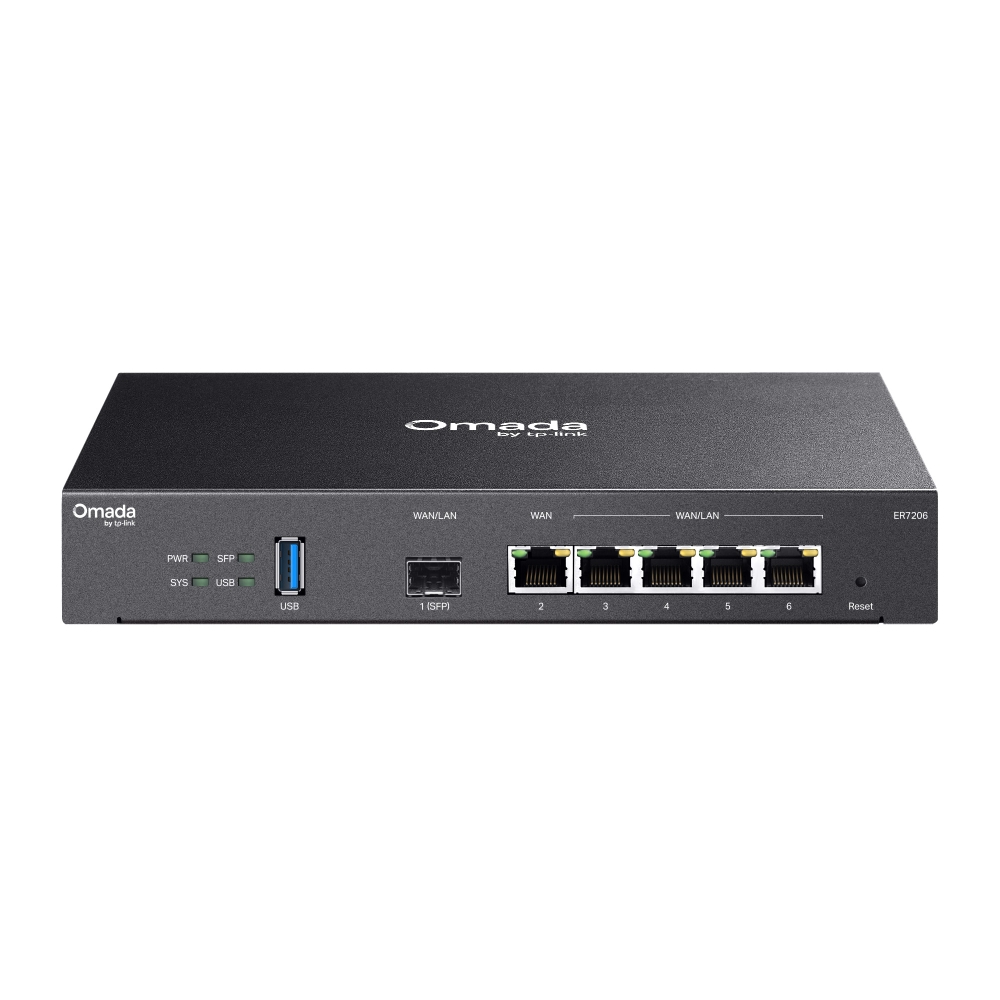 TP-Link Omada Gigabit VPN Router (ER7206)
RM 1,099.00
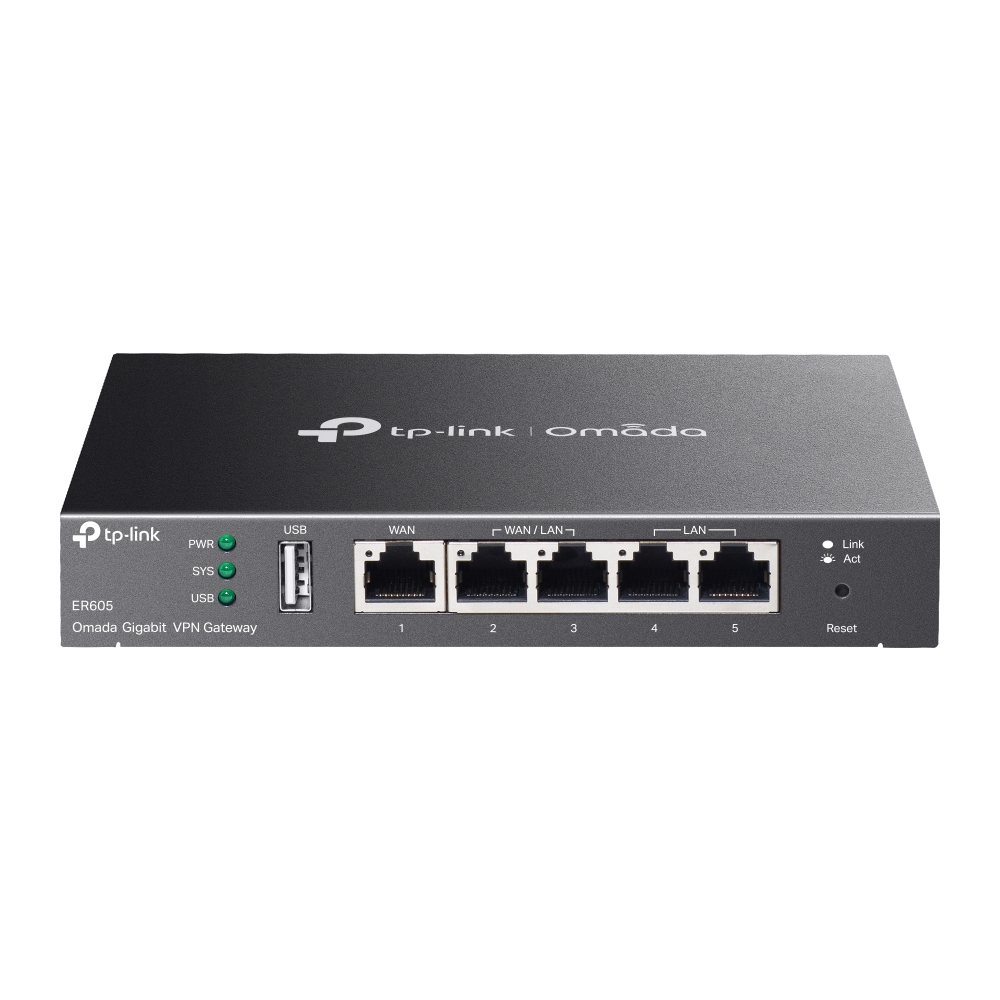 TP-Link Omada Gigabit VPN Router (ER605)
RM 369.00
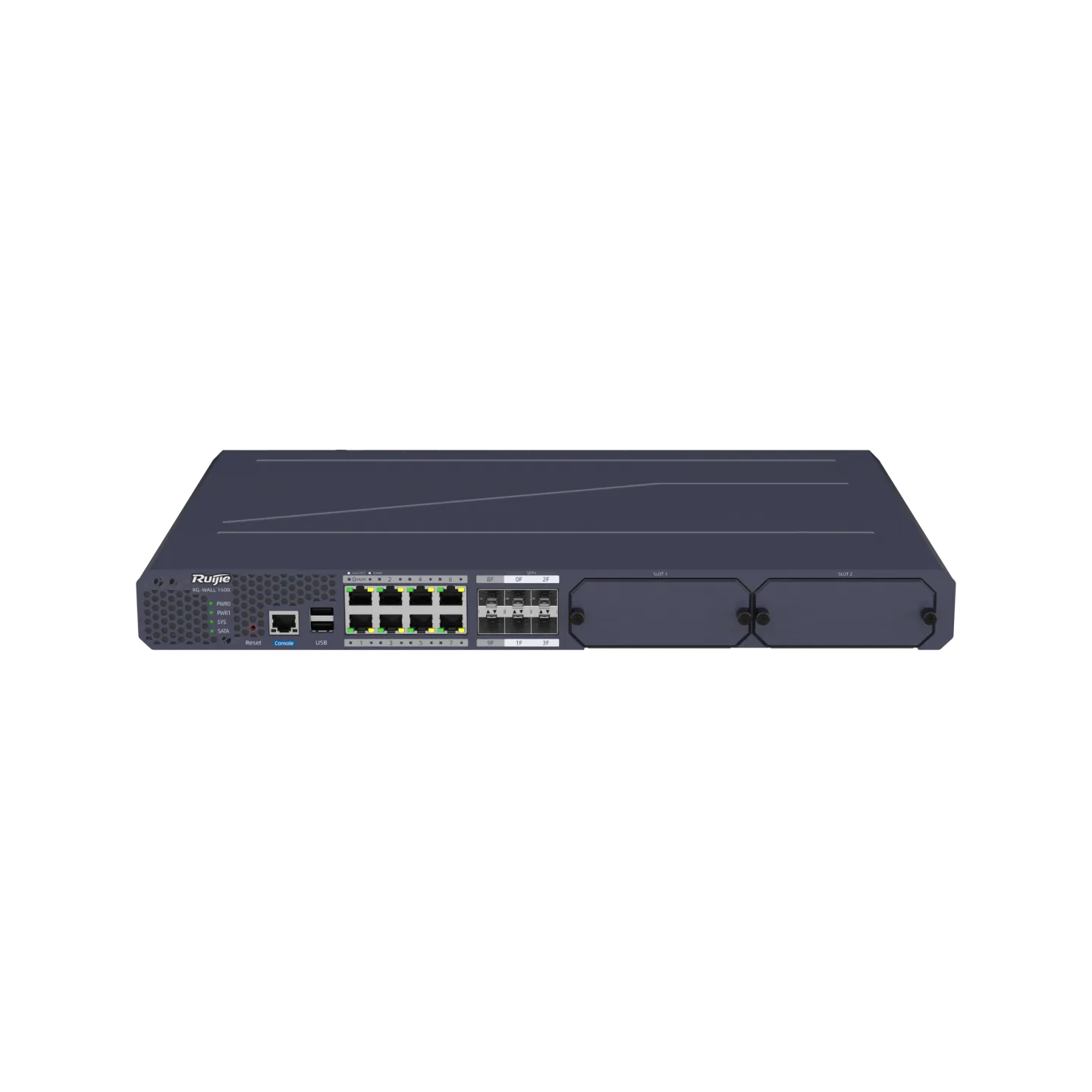 Ruijie RG-WALL 1600-Z5100-S
RM 28,893.00
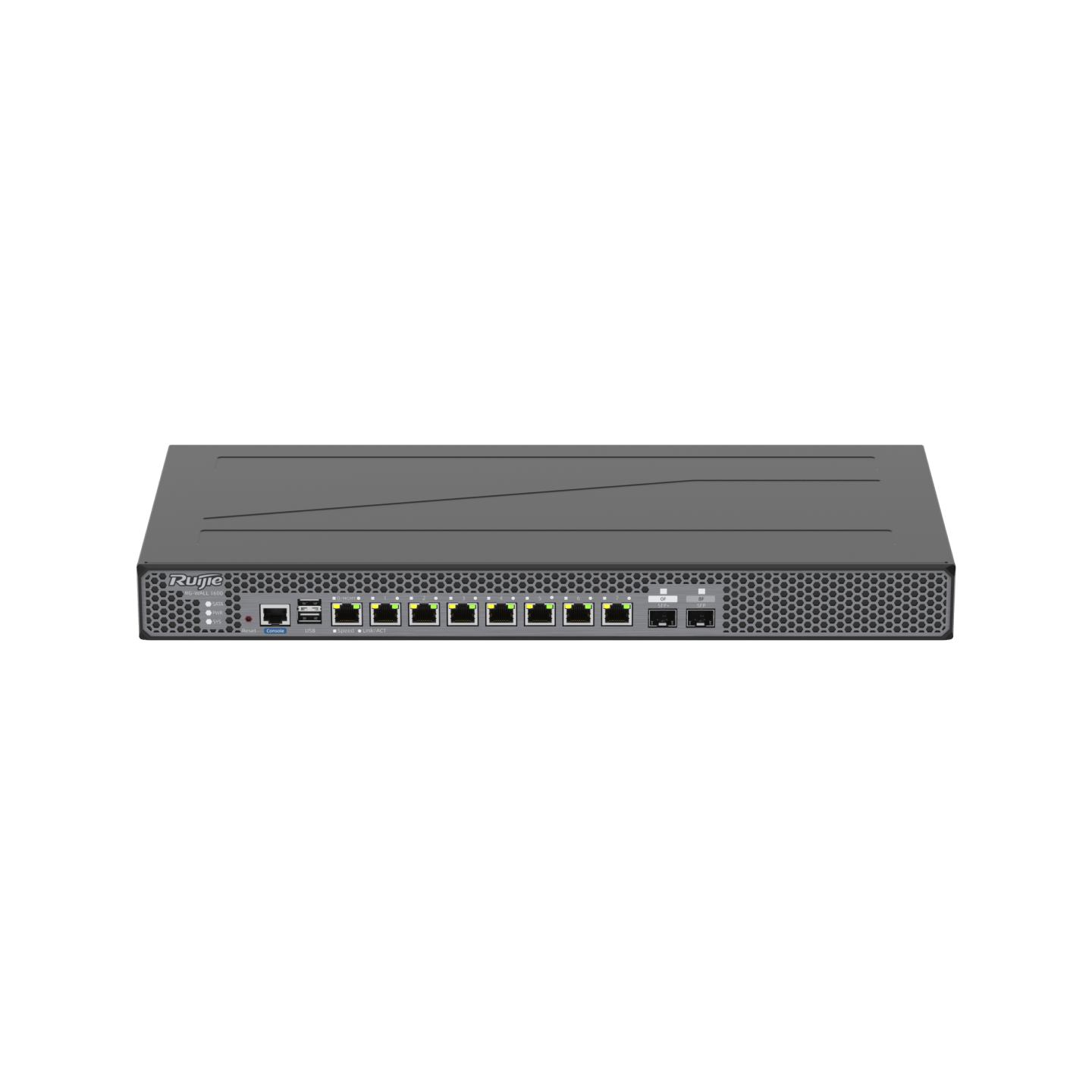 Ruijie RG-WALL 1600-Z3200-S
RM 12,117.00
Frequently asked questions
How much does a business firewall cost in Malaysia?
Hardware costs RM2,000–8,000 depending on throughput. Add RM1,000–4,000 yearly for security subscriptions, and RM500–1,500 monthly for managed support. Total first year is usually RM3,000–15,000. The ongoing cost of doing nothing is much higher.
Why do firewall subscriptions expire?
They are treated like phone bills: set and forget. But unlike a phone, when a firewall subscription expires, protection stops silently. The box keeps passing traffic without inspecting it. You do not know you are unprotected until a breach happens or an auditor checks.
Can I use a cheap router instead of a firewall?
A consumer router has basic filtering, but no IPS, web filtering, or SSL inspection. It works for home use. For a business with staff, vendors, or data worth protecting, you need a proper firewall with subscriptions and rules.
What happens if we never test firewall failover?
You do not have failover. You have a second firewall. When the first one dies—and it will, especially after a TNB power trip or monsoon weather—your second one will not work because nobody has ever actually switched to it under load.
Should we keep our old firewall or buy a new one?
If the hardware is still good and subscriptions are current, keep it. The problem is usually rules and discipline, not the box. Audit what you have first. Only buy new if throughput is maxed out or the hardware is five years old.
Talk this through with an engineer
Free, technical, and specific to your site — that's the consultation.
Book a Consultation